
Piedmont Wine Presentation Recap: A Journey Through Italy’s Viticultural Gem

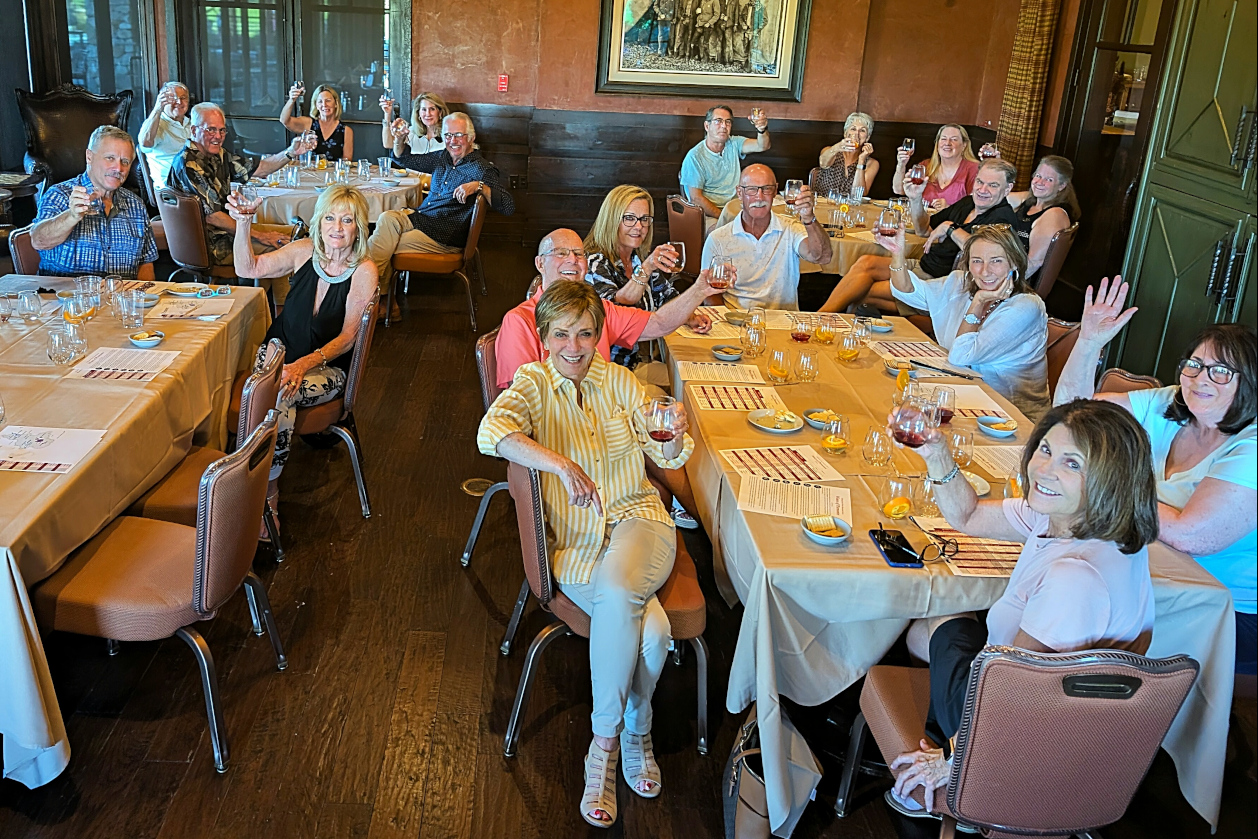
I had a great time last night with the Piedmont wine presentation I conducted at Talking Rock Resort in Prescott. It was a pleasure to guide wine enthusiasts through the rich tapestry of Piedmont’s viticultural heritage, and drink some amazing wine in such a fun environment.

A Journey Through Piedmont’s History
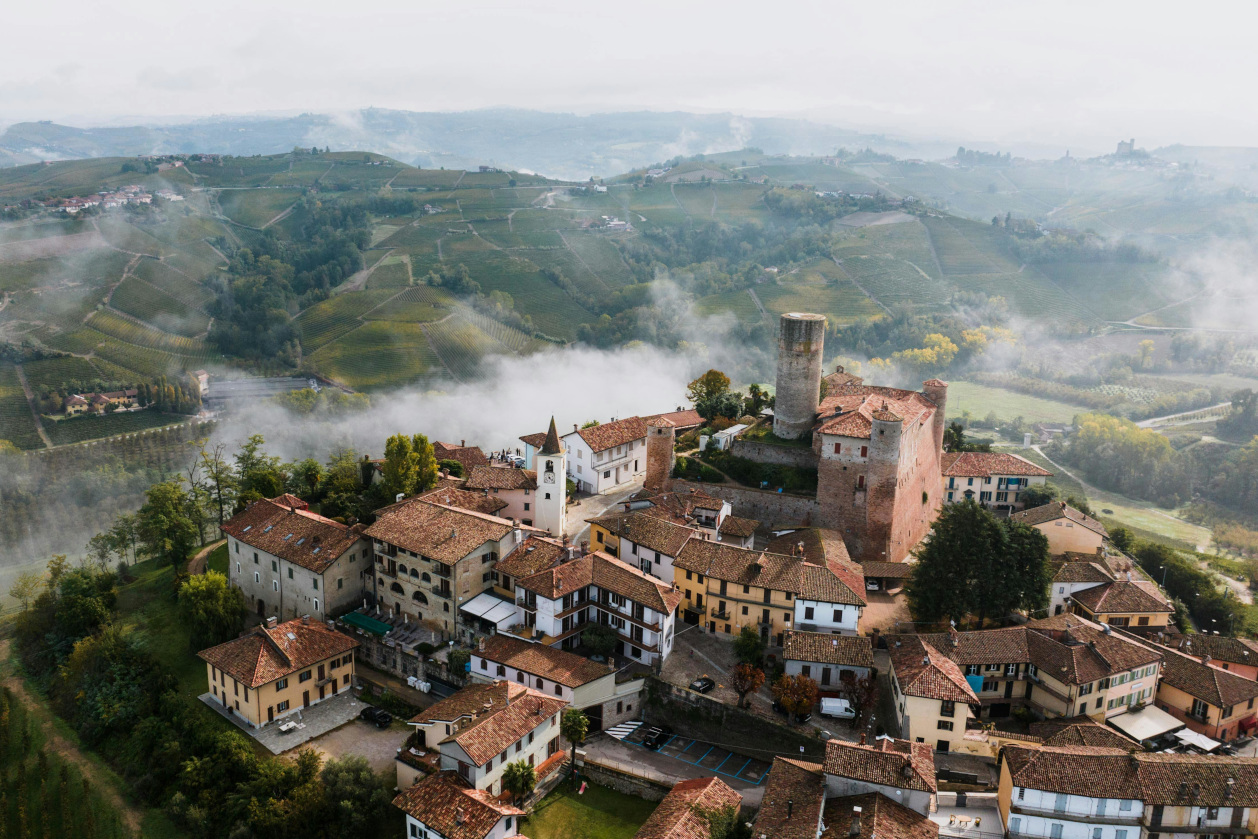
Piedmont, nestled in northwestern Italy, boasts a rich viticultural history dating back to ancient times. The region’s winemaking tradition truly flourished during the Middle Ages, with early references to Nebbiolo wine documented as far back as 1266. Piedmont’s proximity to France, particularly Burgundy, significantly influenced its winemaking styles, leading to a renaissance in the 19th century.
The region’s most famous wine, Barolo, earned the moniker “the king of wines and the wine of kings” due to its exceptional quality and royal patronage. This title originated in the mid-19th century, thanks to the efforts of Camillo Benso Conte di Cavour and Giulia Colbert Falletti, the last Marquise of Barolo. Their dedication to producing an exceptionally rich and harmonious wine led to Barolo becoming the ambassador of Piedmont in royal courts across Europe.
The modern Barolo as we know it today emerged in the 1930s when the Marquises Falletti invited French enologist Louis Oudart to apply techniques used for great French wines to their production. This transformation elevated Barolo’s status, with the wine being defined at the court of Turin as “wine of kings, king of wines”.
Piedmont’s winemaking reputation continued to grow, becoming one of the strongest in Italy. The region is home to many indigenous grape varieties, including the beloved Nebbiolo, which dates back to the Medieval period. However, it wasn’t until the late 20th century that Piedmont wines, particularly Barolo, gained international recognition.
The 1980s marked a pivotal moment in Piedmont’s wine history with the emergence of the “Barolo Boys.” This group of young, ambitious winemakers, including Elio Altare, Chiara Boschis, Giorgio Rivetti, and Roberto Voerzio, among others, revolutionized the Italian wine industry. Inspired by a trip to France, they sought to elevate Barolo’s status on the global stage.
The Barolo Boys introduced new techniques such as grape thinning in the vineyard, the use of barriques in the cellar, and a general focus on quality. Their efforts coincided with the devastating methanol wine scandal of 1986, which further emphasized the need for quality-focused winemaking. These changes resulted in a more fragrant, rounded Barolo that caught the attention of international critics.
In 1993, with the help of Marco de Grazia, the Barolo Boys gained recognition in the United States, cementing their status and bringing significant investment to the Langhe region. However, their modernist approach sparked controversy with traditionalists, who accused them of betraying local winemaking traditions.
The Barolo Boys’ impact on Piedmont’s wine industry was profound. They demonstrated that winemaking techniques could be modified, improved, and innovated. Their success story accelerated a quality-focused process that had already begun in medium and large wineries and would soon spread throughout the region.
Today, Piedmont continues to produce top-quality vintages of Nebbiolo, with Barolo and Barbaresco as its crown jewels. The region has embraced organic and biodynamic practices, reflecting a global trend towards sustainable viticulture. While the debate between modernists and traditionalists continues, Piedmont’s wines, especially Barolo, remain among the most sought-after in the world, a testament to the region’s enduring legacy of excellence in winemaking.

Showcasing Piedmont’s Diversity
The presentation featured a carefully curated selection of wines exemplifying Piedmont’s terroir and grape varieties, courtesy of Action Wine & Spirits:
Bordiga Vermouth di Torino Bianco: I introduced this complex aperitif as a testament to Piedmont’s long-standing vermouth tradition. We batched out a simple spritzer-style cocktail, with soda water and fresh orange slices. Founded in 1888, Bordiga’s creation allowed us to explore the region’s expertise in blending wines with local botanicals.
Ercole Piemonte DOC Rosato: This wine from a Monferrato cooperative served as an excellent example of Piedmont’s commitment to sustainable farming and preserving native grape varieties. Highlighting how it represents the region’s ability to produce high-quality, accessible wines.
Angelo Negro Serra Lupini Roero Arneis: I used this white wine – one of my favorites – to showcase Piedmont’s diversity beyond its famous reds. The Negro family’s century-long winemaking experience provided a perfect backdrop to discuss the region’s deep-rooted traditions.
Luigi Giordano Vino Rosso: This light-bodied red allowed me to highlight Piedmont’s focus on small, quality-driven producers. I explained how this family-run business, established in the 1930s, offers a lighter expression of the region’s red wines by cofermenting Nebbiolo with 20% Arneis.
Franco Serra Barbaresco: An embodiment of Piedmont’s most prestigious offerings. Produced by the Sperone family since 1911, it demonstrated the region’s mastery of the Nebbiolo grape and its ability to produce age-worthy wines.
Oddero Barolo: As the grand finale, we tasted this Barolo from one of Piedmont’s historic producers. With roots tracing back to the 1700s, Oddero represents the pinnacle of Piedmont winemaking, showcasing the power and elegance of Nebbiolo from the Barolo region.

Throughout the tasting, we looked at how each wine tells a unique story of Piedmont’s rich viticultural heritage and its continued innovation in winemaking. I guided attendees through the tasting notes of each wine, discussing their aromas, flavors, and ideal food pairings. It was a pleasure to share my knowledge and passion for Piedmont wines with the attendees at Talking Rock Resort, and the exceptional quality, diversity, and historical significance of Piedmont’s wines, to hopefully inspire a deeper appreciation for this remarkable Italian wine region.




Leave a Reply