
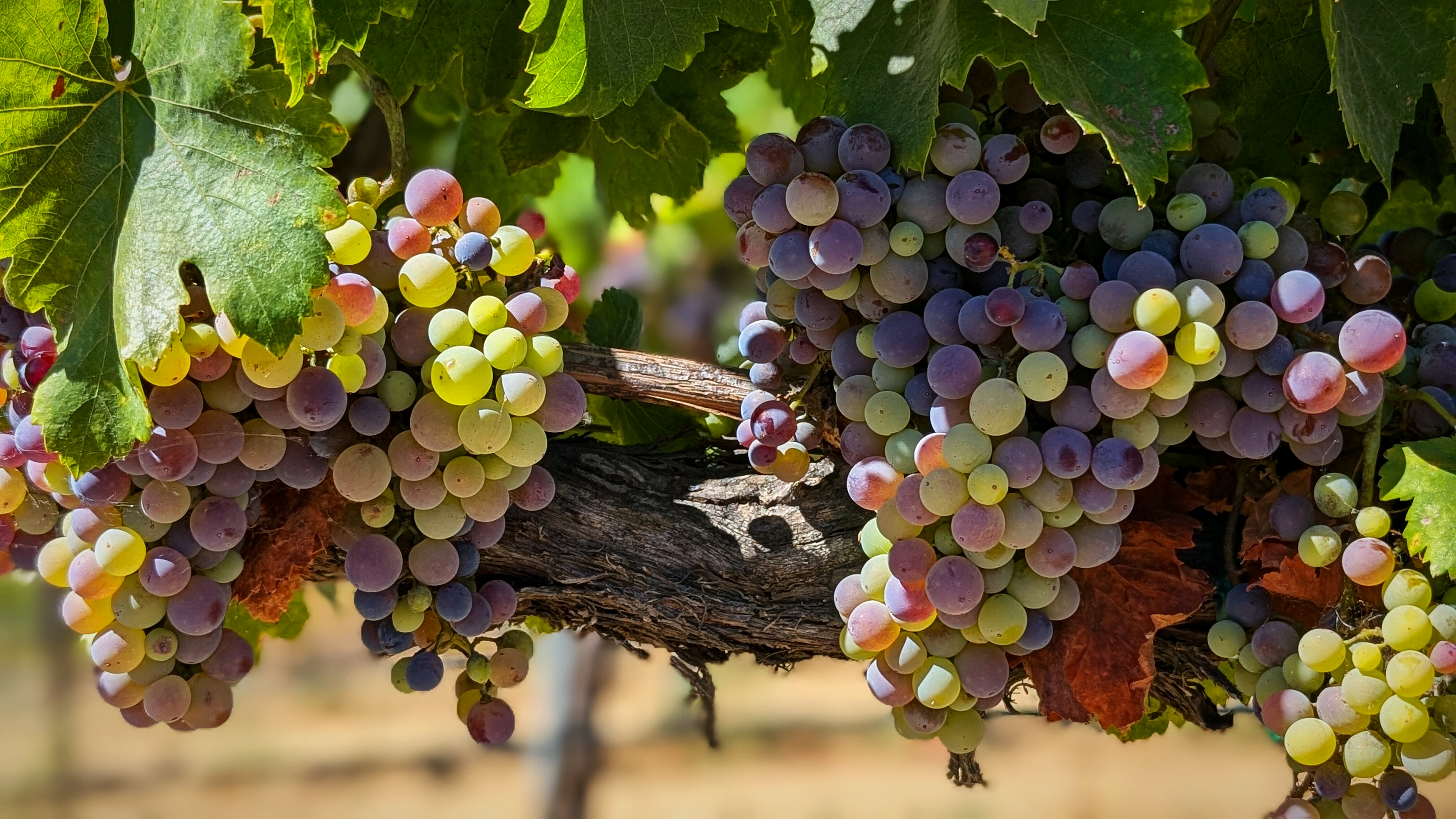
Temecula Valley: A Hidden Gem in Southern California’s Wine Country
On our way into Los Angeles in mid-August to say goodbye to a friend, we had the opportunity to dip down into Temecula for one last drink together. Gershon Bachus Vintners was a top suggestion from one of the members of the wine club in Prescott, so we decided to take a break, enjoy the stunning views, and partake in a much needed tasting.

The Temecula Valley Wine Region
Nestled in Southern California, about 60 miles north of San Diego and 90 miles southeast of Los Angeles, lies the picturesque Temecula Valley Wine Country. This region has emerged as a premier wine destination, offering a unique blend of Mediterranean climate, diverse terroir, and a rich winemaking history.
The Temecula Valley’s winemaking roots can be traced back to the early 1800s when Spanish missionaries introduced grapevines to the area. However, it wasn’t until the 1960s that the modern wine industry began to take shape. In 1968, Vincenzo and Audrey Cilurzo established the first commercial vineyard in the Temecula Valley, planting primarily Chardonnay, Chenin Blanc, and Sauvignon Blanc grapes.
The founding of Callaway Vineyard & Winery in 1974 marked the beginning of large-scale wine production in the region. This was followed by the opening of Mount Palomar Winery in 1975 and several others in quick succession. In 1984, Temecula Valley was officially recognized as an American Viticultural Area (AVA), cementing its status as a distinct wine-growing region.

Climate and Terroir
The Temecula Valley’s success as a wine region can be attributed to its unique climate and terroir. Despite being located in Southern California, Temecula Valley enjoys a Mediterranean climate, characterized by warm days, cool nights, and relatively low rainfall.
The region’s proximity to the Pacific Ocean plays a crucial role in its climate. Just 22 miles from the coast, Temecula Valley benefits from cooling ocean breezes that flow inland through gaps in the coastal mountain ranges. This maritime influence moderates daytime temperatures and creates a pattern of warm sunny days and cool nights – ideal conditions for growing high-quality wine grapes.
The elevation of Temecula Valley’s vineyards, ranging from 1,000 to 1,600 feet above sea level, also contributes to its unique microclimate. My friend Scotty – an avid skydiving enthusiast – pointed out that the surrounding mountains, averaging 2,000 to 11,000 feet in height, create a “lapse rate” effect, where temperatures drop by about 3°F for every 1,000 feet of altitude gain. This results in very cool nighttime temperatures, which are critical for developing high-quality grapes.
Temecula Valley’s soils are another significant factor in its wine quality. The region’s granitic soils, created from decomposing granitic materials, are excellent for growing high-quality grapes. These well-draining soils allow water to pass through easily, contributing to clean, pure varietal flavors without odd or herbaceous notes that wetter soils might create.
Grape Varieties and Wine Styles
The Temecula Valley’s diverse climate and terroir allow for the cultivation of a wide range of grape varieties. The region has proven successful with cool-climate grapes such as Riesling and Chardonnay, moderate-climate Bordeaux varieties like Cabernet Sauvignon and Merlot, and warmer-climate Mediterranean varieties including Syrah, Grenache, and Tempranillo.

In recent years, Temecula Valley has become particularly well-suited to Rhône varieties and Cabernet Sauvignon. The region’s warmer climate has also allowed for successful cultivation of Zinfandel. However, cooler-climate varieties like Pinot Noir are less well-suited to the area.
Gershon Bachus Vintners
Among the nearly 50 licensed wineries in Temecula Valley, Gershon Bachus Vintners stands out as a boutique winery known for its commitment to quality and unique tasting experience.
Located on the De Portola Wine Trail, Gershon Bachus Vintners is an exclusive, private estate winery that offers spectacular views of the surrounding mountains, horse farms, and vineyards. The winery is family-owned and operated, with the owners often engaging directly with customers in their intimate sit-down tasting room – a rarity in Temecula.
Gershon Bachus Vintners prides itself on its meticulous approach to winemaking. They believe that the best things in life require time and a borderline obsessive attention to detail. As such, all of their varietals are aged in Hungarian Oak or French Oak for a minimum of 18 months. This commitment to quality is evident in their wine portfolio, producing, I believe, about 2,000 cases per year.
The winery’s tasting experience is designed to be both provocative and memorable. Unlike many tasting rooms that can become crowded, Gershon Bachus monitors their room to avoid overcrowding and ensures ample seating is available. Visitors are guided through each varietal by knowledgeable staff, often including the owners or the head winemaker themselves.
Gershon Bachus Wines
The winery’s commitment to aging produced wines that were full-bodied, complex, and well-structured. Syrah, Grenache, Tempranillo, and a great Bordeaux blend were the order of the day, including;
2018 Hesperus – 100% Estate Grenache
Hand-picked in September, fermented in new Hungarian oak barrels for 30 months. Features rich fruit and spice.
2016 Lares – 100% Mourvèdre
Full-flavored with plum, earthy tobacco, and vanilla. Fermented and aged in French oak for 30 months.
NV Villa Vino Tutto Rosso
Reminiscent of strawberries and cherry vanilla with a hint of jam toast.
2017 Astraea – 60% Mourvèdre, 20% Grenache, 20% Syrah
Notes of white pepper and smoke with hints of raspberry.
2017 Porta Accanto – 100% Tempranillo
Fruity notes of molasses, sweet honey, black cherry, and allspice.
2018 Auster – 100% Syrah
Aged in new Hungarian oak for 30 months, with flavors of brown sugar, black cherry, and sweet pipe tobacco.
It wasn’t listed on their tasting menu, but our host, Howard poured us their 2018 Meritage, “Dae Dia”, which was equal parts Cab Franc, Cab, Merlot, and Malbec, that saw 32 months in new and neutral Hungarian Oak. Along with the Syrah, those were my favorites of the day, and the bottles that I left with. My friends gravitated towards the Tempranillo, and Howard offered up some pairing suggestions and was kind enough to text us some recipes.

Visiting Gershon Bachus Vintners
Gershon Bachus Vintners offers a unique and intimate tasting experience that sets it apart from many other wineries in the region. The tasting room is open seven days a week, with hours from Friday to Sunday being 11 a.m. to 6 p.m., and Monday to Thursday from noon to 6 p.m.
The winery’s location atop a hill provides stunning 360-degree views of the surrounding mountains, creating a picturesque backdrop for wine tasting. The estate features lavishly landscaped grounds, including a beautiful pond and waterfall, making it a popular venue for weddings and other special events.

In addition to regular tastings, Gershon Bachus Vintners participates in two major annual events as part of the De Portola Wine Trail. The Big Red Fest, held every April, and the Harvest Festival in November, offer visitors the chance to taste wines from multiple wineries along the trail, paired with appetizers from local chefs and restaurants.
The Temecula Valley Wine Industry Today
Today, Temecula Valley Wine Country is home to nearly 50 licensed wineries, producing over 500,000 cases annually. The region has gained recognition on both national and international stages. In 2019, Wine Enthusiast named Temecula Valley one of the 10 Best Wine Travel Destinations in the world.
The establishment of the Temecula Valley Wine and Agricultural Heritage District in 2021 marked a significant milestone for the region. This assessment district, spearheaded by the Temecula Valley Winegrowers Association, funds key programs aimed at marketing Temecula Valley Wine Country as a premium wine travel destination.
Challenges and Triumphs
Like many wine regions, Temecula Valley has faced its share of challenges. In the late 1990s, nearly 40 percent of Temecula Valley vineyards were decimated by Pierce’s Disease, a bacterial disease transmitted by the glassy-winged sharpshooter insect.
However, this setback ultimately led to positive changes. The California Department of Food and Agriculture established the Pierce’s Disease Control Program to assist Temecula Valley in warding off the insect. The region’s winegrowers seized the opportunity to replant their vineyards with a broader range of grapes throughout the early 2000s, greatly expanding the versatility and quality of premium wines produced in the AVA.
Tourism and Economic Impact
Temecula Valley Wine Country has become a major tourist destination, particularly for Southern Californians. The popularity of the wine region, along with attractions like the Pechanga Resort & Casino, has led to significant growth in visitor spending. In 2018, tourism spending in the valley reached $1.1 billion, a 26% increase from the previous year.
The wine industry has played a crucial role in this economic growth. Many wineries have expanded beyond wine production to offer amenities such as restaurants, lodging, and event spaces. Summer concerts, wine pairing events, and activities like hot air balloon rides have become popular attractions.
Sustainability and Future Outlook
As the Temecula Valley wine industry continues to grow, there’s an increasing focus on sustainability. Many wineries in the region are adopting sustainable farming practices and exploring ways to reduce their environmental impact.
The future looks bright for Temecula Valley Wine Country. With its unique climate, diverse range of grape varieties, and growing recognition as a premium wine destination, the region is well-positioned for continued growth and success.
Conclusion
Our visit to Gershon Bachus Vintners offered a perfect snapshot of what makes Temecula Valley Wine Country special. From the stunning views and intimate tasting experience to the carefully crafted wines, it exemplified the region’s commitment to quality and hospitality.
Temecula Valley’s journey from a small agricultural community to a renowned wine region is a testament to the passion and perseverance of its vintners. Despite challenges, the region has continually adapted and innovated, earning its place among California’s premier wine destinations.
As we savored our last sips at Gershon Bachus Vintners, watching the sun set over the rolling vineyards, we couldn’t help but feel grateful for this unexpected detour. It served as a fitting farewell to our friend and a memorable introduction to the wines of Temecula Valley.
Whether you’re a seasoned wine enthusiast or a curious novice, Temecula Valley Wine Country offers something for everyone. From boutique wineries like Gershon Bachus Vintners to larger estates, each offers its own unique take on the region’s terroir. As the region continues to evolve and gain recognition, it’s clear that Temecula Valley is not just a stop on the way to somewhere else, but a destination in its own right – one that’s well worth the journey.




Leave a Reply